
The Rural Health Crisis: Why Free Policies Aren’t Saving Lives in Deep India
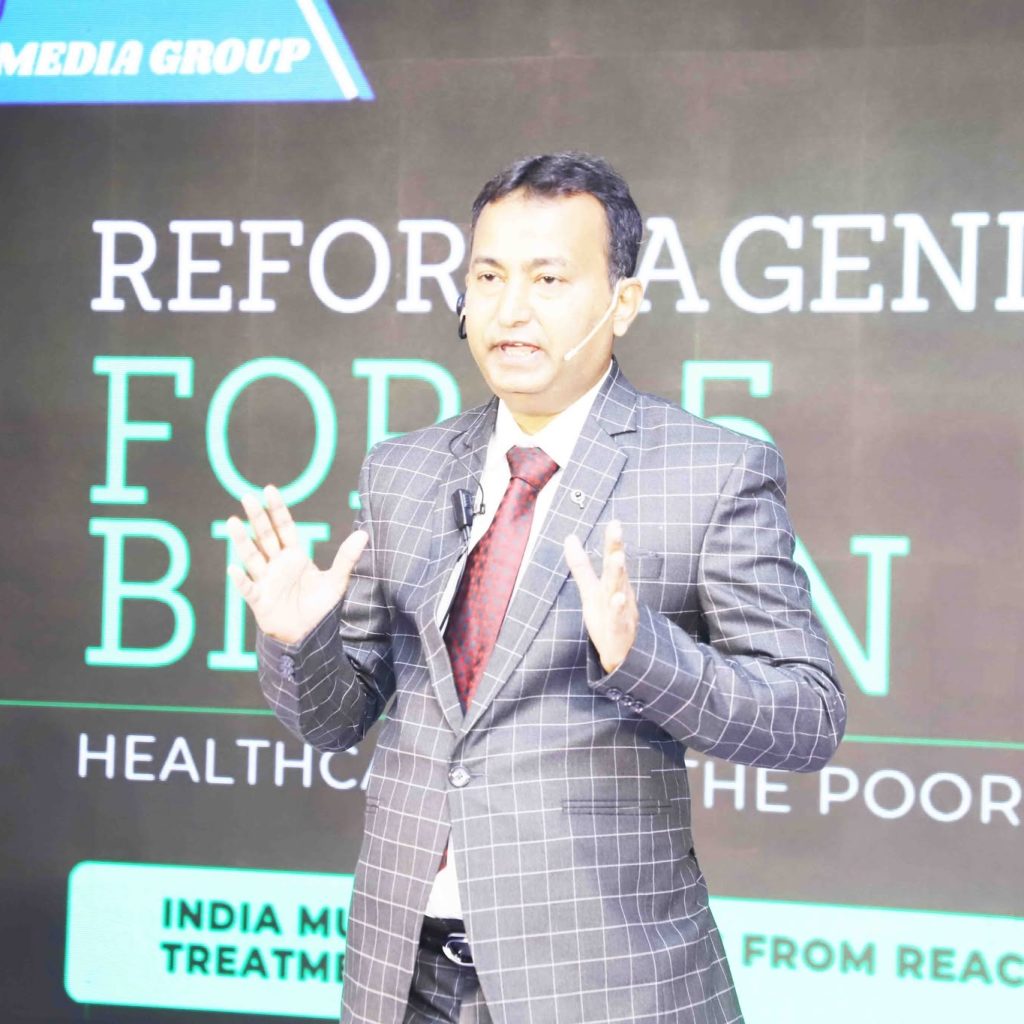
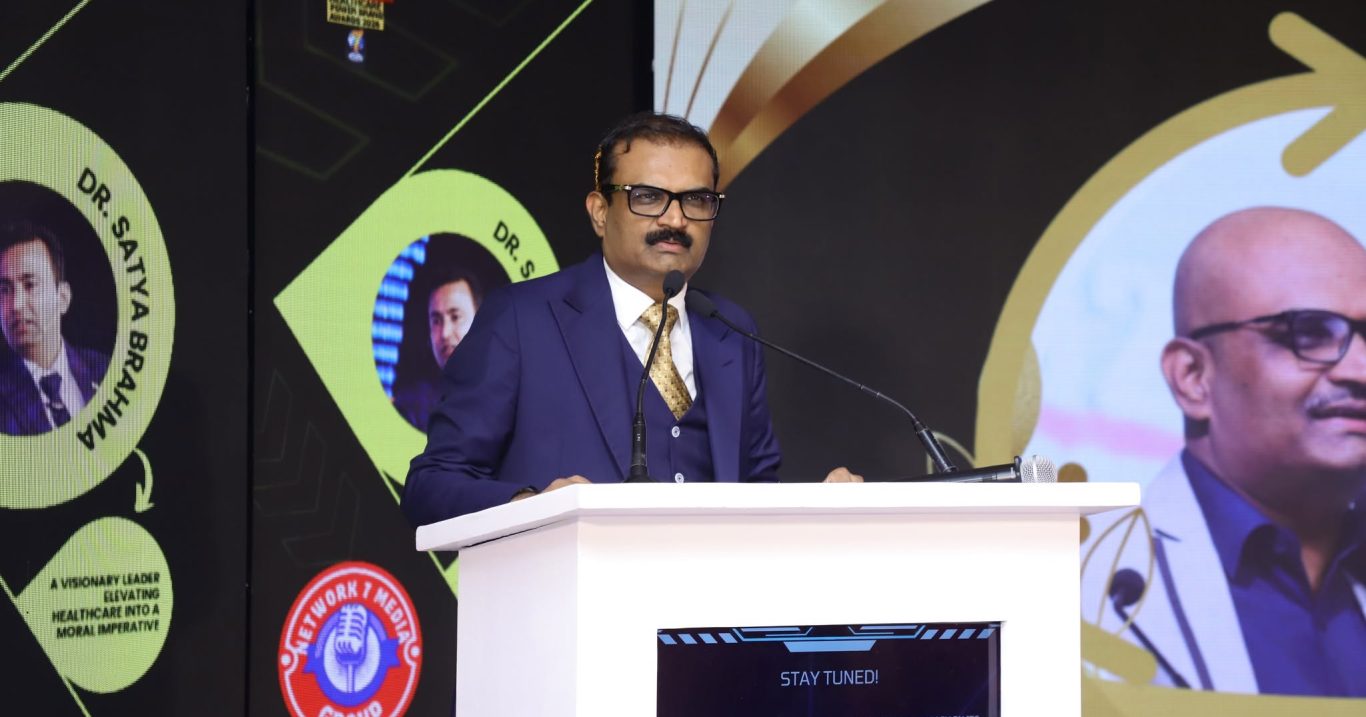
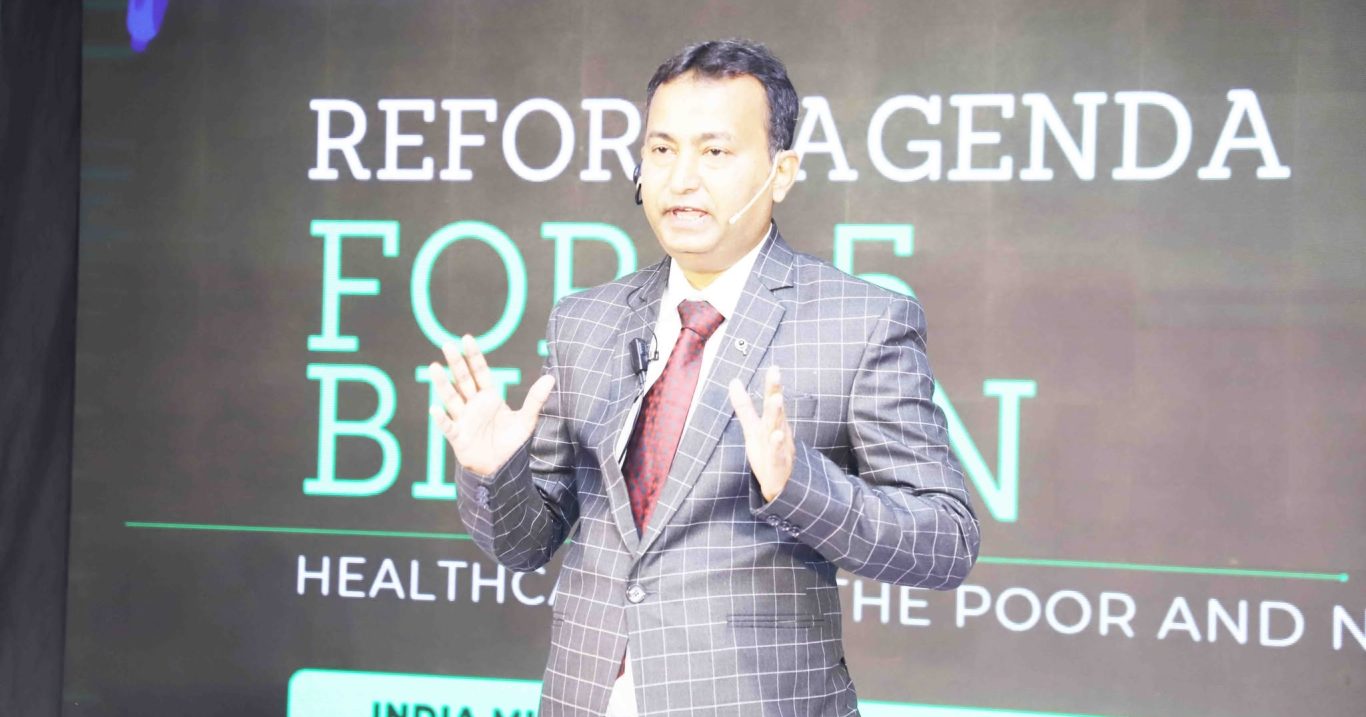
While India scales global heights in medical tourism and digital health tech, a dark reality persists just past our urban borders. In this episode, Dr. Satya Brahma breaks down why landmark government healthcare policies are stumbling heavily before reaching the last mile of rural India, leaving millions structurally isolated from basic medical care. 79 Years of Independence: Why India’s Healthcare Policies Fail the Last Mile
“Even after 79 years of Independence, India has not yet reached the milestone of equitable health delivery. We have brilliant policies on paper and state-of-the-art hospitals in our cities, but we have failed to build a functional bridge to our villages. A policy that doesn’t reach the last mile isn’t a success; it is just a promise left unfulfilled.”
The Missing Mile: Crucial Statistics
To understand the gravity of the problem Dr. Brahma is highlighting, look at the latest national data on rural healthcare accessibility:
- The Infrastructure Deficit: Approximately 65% of India’s population lives in rural areas, yet they only have access to roughly 30% of the country’s total health infrastructure.
- The “Commute” Barrier: According to the State of Healthcare in Rural India data, only 39% of rural households have access to a proper diagnostic facility within a commutable distance.
- The Missing Doctors: The doctor-to-patient ratio in India hovers around 1:1,456, well below the World Health Organization (WHO) recommended standard of 1:1,000. In rural Primary Health Centers (PHCs), physician vacancy rates routinely range from 35% to over 70% in vulnerable states.
- Financial Crutch: Despite the expansion of schemes like Ayushman Bharat, out-of-pocket spending remains incredibly high. The latest National Sample Survey (NSS 80th Round) highlights that average out-of-pocket costs per rural hospitalization have risen significantly, forcing thousands of families into medical debt annually.
Even after nearly eight decades of Independence, India remains a paradox where state-of-the-art urban health hubs coexist with structurally isolated rural communities. We have brilliant policies on paper, but a policy that falters before the last mile is not a success—it is an unfulfilled promise.
If the Government of India wants to defuse this alarming rural health crisis, it must treat healthcare with the same fiscal urgency and moral weight as national defense. The absolute priority right now is not to invent new slogans, but to aggressively fix the infrastructure deficit by transforming our collapsing public health spending from a meager commodity into a fully funded public good. We must bridge the ‘commute barrier’ by embedding diagnostic capabilities and medical staff directly into villages. Until our economic rise is reflected in the health and dignity of the marginalized rural citizen, our aspirations of becoming a global superpower will lack true substance.”
Why this reflects his stance:
- The “Last Mile” Failure: Dr. Brahma heavily critiques the gap between excellent policy design in urban boardrooms and the ground reality where approximately 65% of India’s population relies on just 30% of its health infrastructure.
- Health as a Public Good: He strongly advocates that healthcare is a fundamental right, not a privilege or a transactional commodity, requiring massive scaling of public investment to prevent families from falling into poverty due to out-of-pocket medical expenses.
Dr. Satya Brahma on India's Healthcare Divide: Policy vs. Reality in Rur… https://t.co/Xdk86XGGUy via @YouTube #PublicHealthcare #RuralIndia #HealthcarePolicy #DrSatyaBrahma #79YearsOfIndependence #IndianEconomy2026 #RuralHealth
— Pharmaleaders (@pharmaleader) June 27, 2026